 John Uebersax
How Partial Shipping, Consolidated Shipping, and Split Customs Clearance Affect the Cost of Combined Overseas Orders
How Different Shipping Strategies Change the Final Cost of a Single Overseas Order
Combining several overseas purchases into one package can lower shipping costs, but it does not automatically reduce the final amount you pay. For buyers importing goods into South Korea, the important question is not simply how many items were ordered. It is how the goods are packaged, which shipping document covers them, when and where they were purchased, and whether their combined value exceeds the applicable customs allowance.
In most cases, consolidation is cheaper when the entire shipment remains below the duty-free limit. Separate shipping may be preferable when an item is urgent, difficult to combine, or genuinely belongs to a different order. It should not, however, be used as an artificial way to divide one taxable purchase into several duty-free packages.
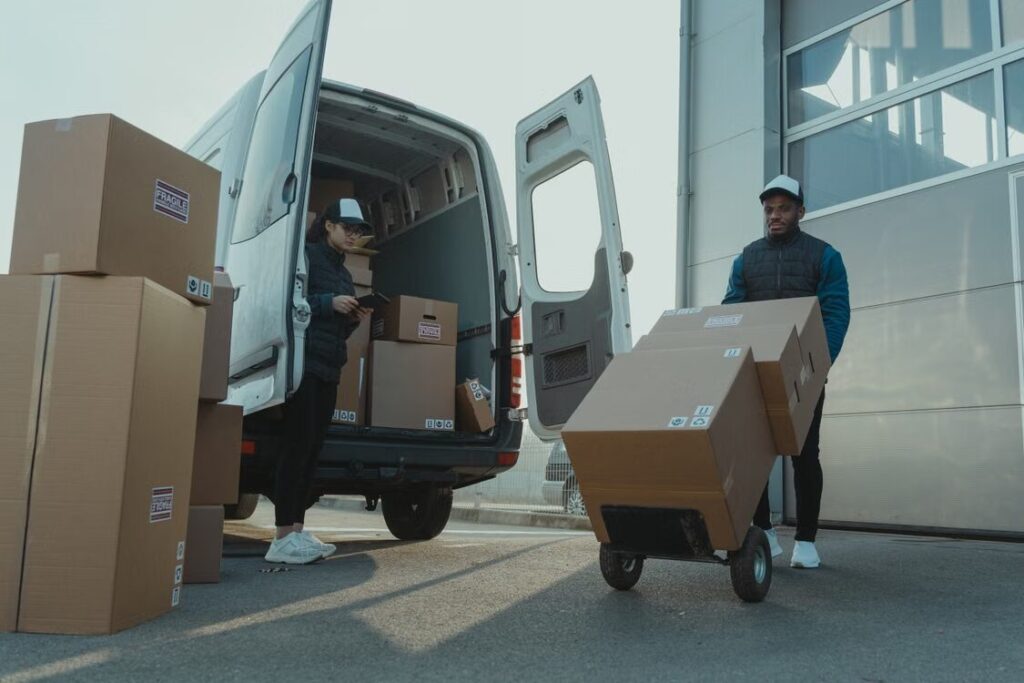
Hidden Charges Can Change the Final Purchase Cost
Before choosing partial or consolidated shipping, calculate the complete cost of each option:
Total delivered cost = product price + domestic shipping + international shipping + forwarder fees + customs charges + local delivery charges
Consolidation usually reduces repeated international base charges. A forwarding company can receive several domestic packages, remove unnecessary seller packaging, and place the items into one international parcel. This may produce meaningful savings when several small boxes would otherwise be shipped separately.
The saving is not guaranteed. A combined parcel may become subject to volumetric-weight pricing, oversized-package surcharges, repacking fees, or additional storage charges. Combining a heavy item with a large but lightweight box can sometimes produce a worse shipping rate than sending them separately.
Customs must also be included in the comparison. In South Korea, personal-use goods generally qualify for duty-free treatment when their value does not exceed US$150. A higher US$200 limit may apply to qualifying list-clearance goods shipped from the United States, but not every product or shipment qualifies for that treatment.
When several purchases are consolidated under one B/L or AWB, customs normally sees one shipment. If its value exceeds the applicable allowance, the buyer cannot claim a separate exemption for each product inside the box.
A practical comparison should therefore look like this:
| Situation | Likely better choice | Main reason |
|---|---|---|
| Combined value remains below the applicable allowance | Consolidation | Fewer base shipping and handling charges |
| Consolidation pushes the shipment over the allowance | Compare both totals | Shipping savings may be smaller than the resulting customs charges |
| One item is urgently needed | Partial shipping | Faster dispatch without waiting for the remaining goods |
| Products are fragile, oversized, or incompatible | Separate packages | Lower risk of damage or costly dimensional weight |
| Several small seller boxes contain excessive packaging | Consolidation with repacking | Reduces unnecessary weight and volume |
| One order is being split only to stay under the exemption | Do not rely on splitting | Customs may combine the values |
The cheapest choice is the one with the lower delivered cost after both freight and possible taxes are included.
Understand When Separate Packages May Still Be Combined for Customs
A common misunderstanding is that every tracking number receives its own duty-free allowance. That is not always the case.
Korean Customs no longer combines unrelated imports solely because they enter the country on the same date. This means two genuinely separate orders are not automatically taxed together merely because their arrival dates happen to match.
Combined taxation may still apply in important situations. Customs guidance identifies cases such as goods covered by one B/L or AWB that are divided during clearance, and taxable goods purchased from the same overseas supplier on the same date and split into multiple imports to remain within the exemption limit.
This distinction changes how buyers should plan an order.
Suppose a buyer places one US$280 order and asks the seller to send it in two US$140 packages. The existence of two boxes does not guarantee two exemptions. If the packages are parts of the same purchase and were divided to remain below the limit, customs may evaluate them together.
By contrast, two purchases made from unrelated sellers on different dates may remain separate even when they arrive close together. Their treatment still depends on the shipping documents, transaction records, supplier information, and the circumstances of the import.
Buyers should keep:
- Order confirmations showing the purchase dates
- Seller and marketplace details
- Payment receipts
- Individual item prices
- Shipping invoices
- Forwarder consolidation or separation requests
- B/L, AWB, or tracking information
These records help customs determine whether the goods represent one divided purchase or genuinely independent transactions.

Do Not Treat Split Customs Clearance as a Tax-Saving Method
The original article describes a method in which several items remain in one physical box but are declared as separate shipments. That explanation is misleading for ordinary overseas shopping.
A customs broker may prepare multiple declaration lines because products have different descriptions, tariff classifications, countries of origin, or regulatory requirements. That does not create a new duty-free allowance for each line. Several products covered by the same shipping document can still form one import shipment.
For example, placing a US$250 jacket and a US$50 book in one consolidated parcel does not normally allow the book to receive a separate US$150 exemption while only the jacket is taxed. If the parcel is imported under one B/L or AWB, its total shipment value is relevant to the clearance decision. Korean Customs specifically states that goods under one B/L or AWB cannot be divided within the exemption range for separate clearance.
Physical package separation before international shipment is also different from paperwork separation after arrival. A forwarder may be able to create two outbound packages with separate shipping documents, but customs can still review whether they came from one purchase that was deliberately divided.
Therefore, buyers should not ask a seller or forwarder to lower declared values, create false invoices, alter purchase dates, or misrepresent one order as several unrelated transactions. The correct declaration should reflect the actual purchase price, seller, contents, and shipping arrangement.
A Practical Approach to Choosing Shipping Options
First, check whether the consolidated merchandise value is within the customs allowance that applies to the route and product. Do not assume that every shipment from the United States qualifies for the US$200 treatment; restricted goods and shipments requiring another clearance procedure may be subject to different rules.
Second, obtain exact shipping quotes for both configurations. Ask the forwarder whether the quote includes:
- Consolidation or repacking
- Package-separation fees
- Storage
- Actual or volumetric weight
- Oversized-item charges
- Domestic return or disposal fees
- Customs brokerage or clearance charges
Third, compare the expected delivered totals.
Consolidate when the goods remain within the allowance, the packaging can be reduced, and the forwarder’s combined rate is clearly lower.
Ship separately when one item is urgent, combining the items creates excessive dimensional weight, the products should not share a box, or the purchases are genuinely independent and separate delivery is already economical.
When consolidation would move the order above the duty-free limit, request two estimates: one for a taxable consolidated shipment and one for legitimate separate shipments. Do not compare freight alone. A small shipping reduction may disappear after customs duty, import VAT, brokerage, and handling charges are added.
For a high-value or unusual order, send the actual invoice, item descriptions, origin, shipping country, and proposed package arrangement to the forwarder or customs broker before dispatch. That is safer than relying on a marketplace estimate or assuming that each package will be evaluated independently.